

Material Intelligence
AI and the Selection of Materials
Ionut-Alexandru Abordeoaei
3/12/20261 min read
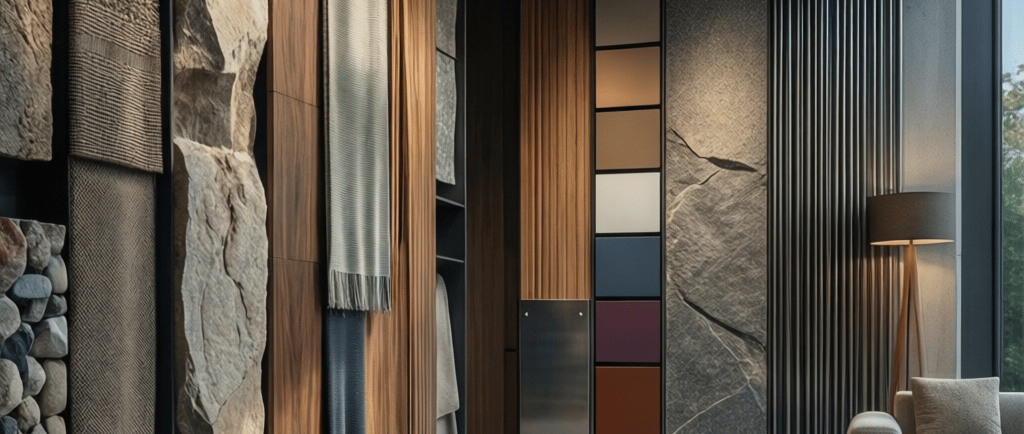
Material selection is one of the most defining decisions in interior design. Texture, reflectivity, color behavior, durability, and maintenance influence not only the aesthetic character of a space but also its long-term performance. Artificial intelligence is beginning to assist designers in navigating this complex field.
AI systems can analyze large databases of materials—natural stone, wood species, textiles, ceramics, metals—and suggest combinations based on visual compatibility, color harmony, and stylistic references. For designers, this significantly accelerates the early exploration phase. Instead of manually testing numerous combinations, AI can propose coherent palettes that respond to a defined aesthetic direction.
Another relevant capability is simulation. Advanced AI tools can predict how materials behave under different lighting conditions, how textures interact with shadows, and how color temperature affects spatial perception. In practice, this allows designers to evaluate the visual performance of surfaces before the materials are physically installed.
AI can also assist with technical parameters. Databases may include information about durability, moisture resistance, fire classification, or sustainability metrics. When integrated into design workflows, this helps designers filter materials not only by appearance but also by performance criteria.
Despite these advantages, material selection cannot be fully automated. AI evaluates patterns and data, but it cannot physically experience materials—the tactile sensation of natural wood, the acoustic absorption of textiles, or the subtle irregularities of stone surfaces. These qualitative aspects remain essential in interior architecture.
For this reason, the designer remains the final decision-maker. AI can accelerate research, reveal unexpected combinations, and simulate visual outcomes, but the responsibility for selecting materials that are technically appropriate, sensorially convincing, and architecturally coherent still belongs to the professional.
In practice, AI becomes an analytical assistant. It expands the designer’s ability to explore materials efficiently, while human expertise ensures that the final selection performs correctly in the built environment.